Computer Science Off Course
The Computer Science Off Course podcast brings you one paper or book each week to widen your view on what Computer Science is, and what it could be. Turing, Naur, Dreyfus, Laurel, and many more will bring some much-needed change in perspective for people who grew up on an information diet of only complex algorithms, programming, and math. Read along with Felienne and Hanna, do the homework and see that there is more between heaven and earth than computers and compilers.
Afleveringen
Season 1 in 45 minutes instead of 450
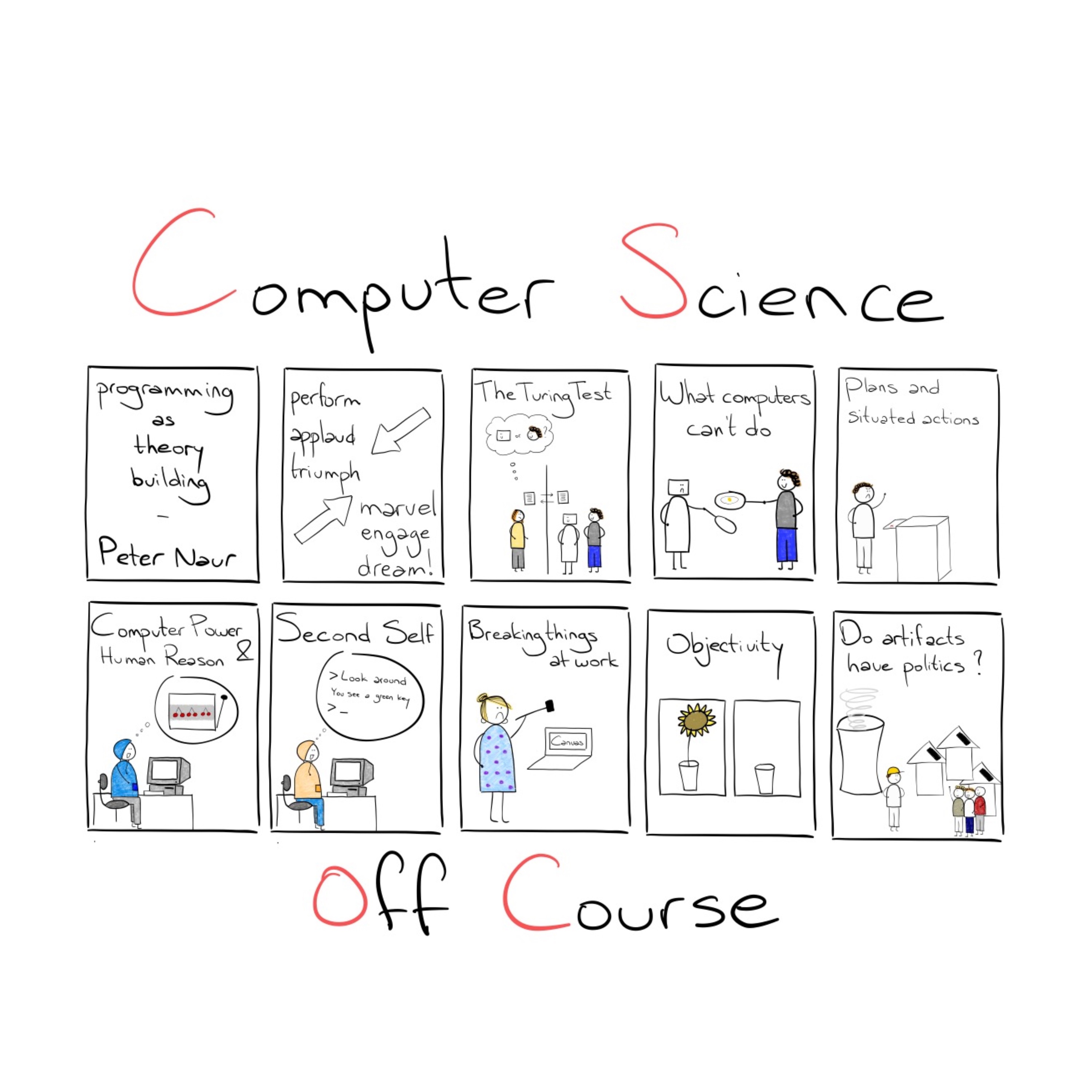
What topics are not talked about enough in Computer Science? Over the last 10 episodes, this podcast has identified quite some issues that deserve more attention. In today's bonus episode, we look back at season 1 and reflect on some recurring themes, such as the goals of programming, the value of vagueness, the notion of dominance and control, and, of course, issues around AI, AI, and more AI. Ha
Langdon Winner - Do Artifacts Have Politics?
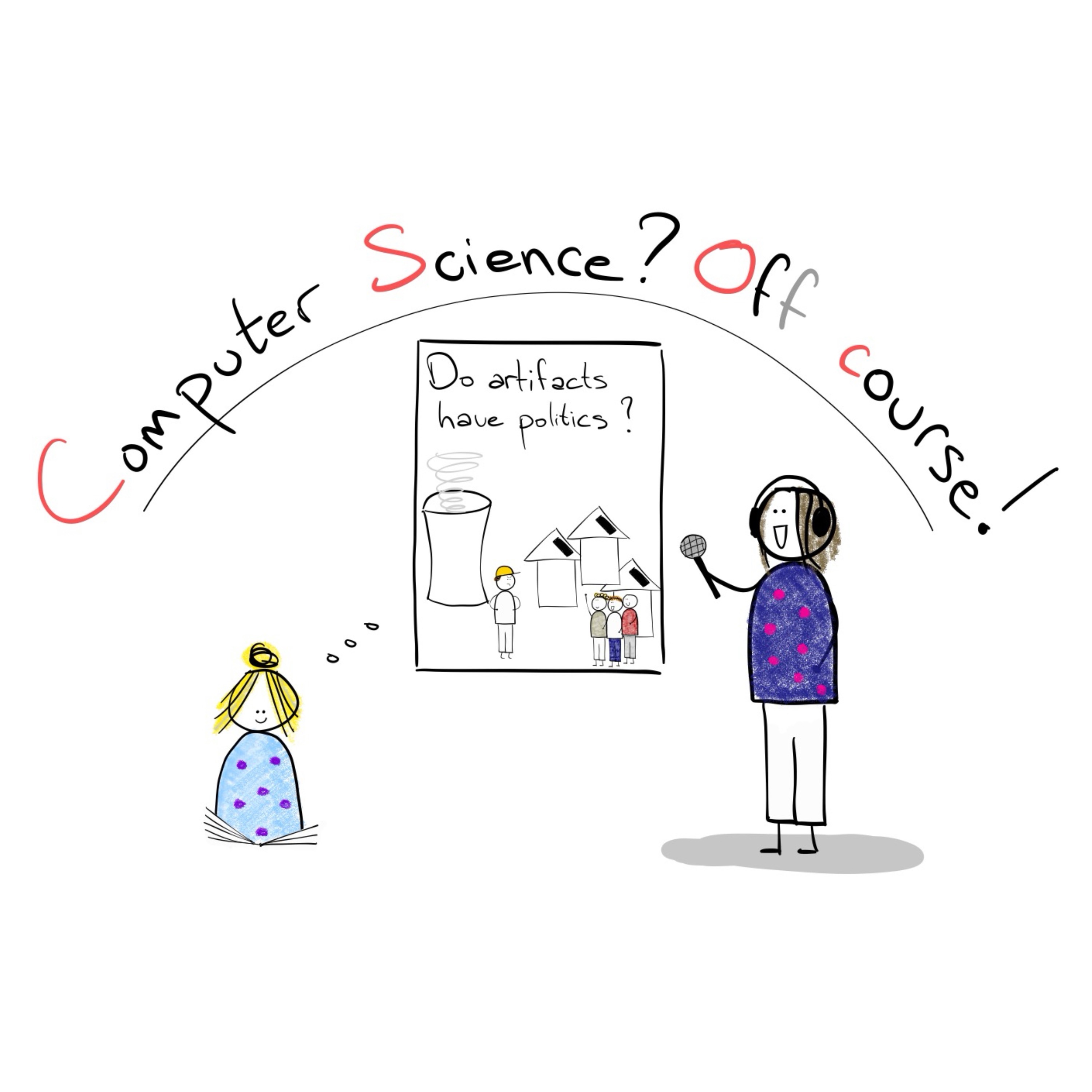
Does software have politics? Are LLMs like power plants? Do ships need captains? In this final episode of our first season, we discuss these questions and take a look at Langdon Winner's paper "Do Artifacts Have Politics?" (1980). Spoiler alert: the answer to the question in this paper's title is a big, bold YES! According to Winner, there are two ways in which artifacts can have political propert
Lorraine Daston and Peter Galison - Objectivity
Imagine you're a scientist. What is it you are seeking: objectivity or truth? In this episode of Computer Science Off Course, we reflect on the aims of science in general and Computer Science in particular. We discuss the notion of objectivity and the role of emotion and fear in research. We take a look at Lorraine Daston and Peter Galison's book "Objectivity" (2021) and walk you through the three
Gavin Mueller - Breaking Things at Work
Are you a Luddite? No matter whether your answer is "yes," "no," or "maybe," this episode of Computer Science Off Course is for you. We discuss the book "Breaking Things at Work: The Luddites Are Right About Why You Hate Your Job" (2021) by Gavin Mueller. We talk about Luddism, both with a historical lens and from our current perspectives, and do not shy away from topics such as Marxism, Taylorism
Sherry Turkle - The Second Self
What does using a computer do to you? If you use computers, laptops, phones, or play video games, this episode is for you! We discuss Sherry Turkle’s seminal book "The Second Self: Computers and the Human Spirit" (1984) and explore what happens while you are working with a computer. We also talk about the view of AI as a "colonizing discipline", people's obsession with programming, different meani
Joseph Weizenbaum - Computer Power and Human Reason
Are there things computers and AI should never do, even if they could? In this week’s episode, we discuss this question and take a look at Joseph Weizenbaum’s book “Computer Power and Human Reason” (1976). We learn about his famous chatbot ELIZA, the difference between deciding and choosing, and what Weizenbaum envisioned for Computer Science education. We notice connections to other thinkers we h
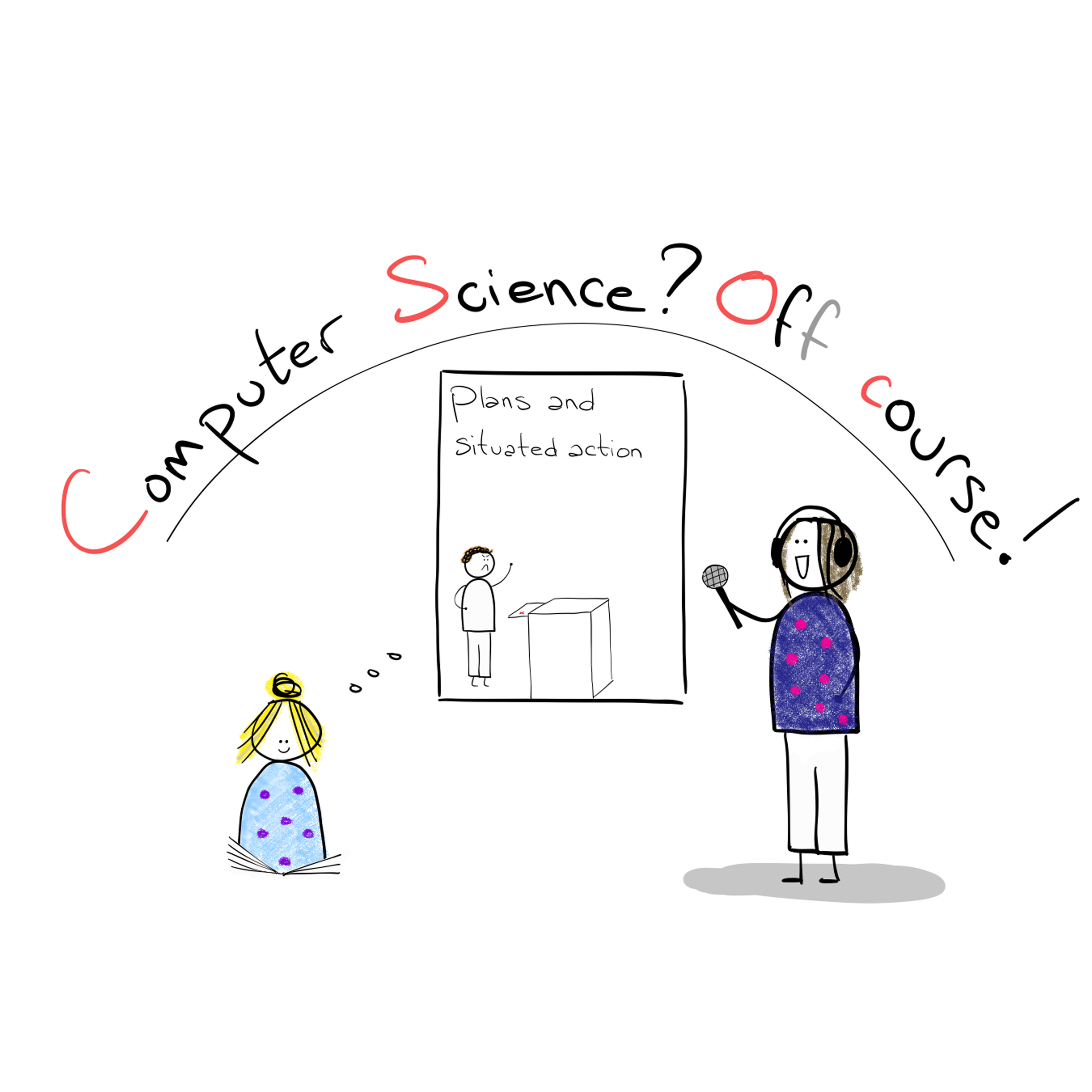
Lucy Suchman - Plans and Situated Actions
When did you last use a copy machine, and how did you do it? Did you follow a predetermined plan, use a manual, or did you figure out what to do along the way? In this episode, we discuss how people interact with machines and tackle the book "Plans and Situated Actions" (1987) by ethnographer Lucy Suchman. This book, in part, describes a famous study in which Suchman put cameras in a room with a n
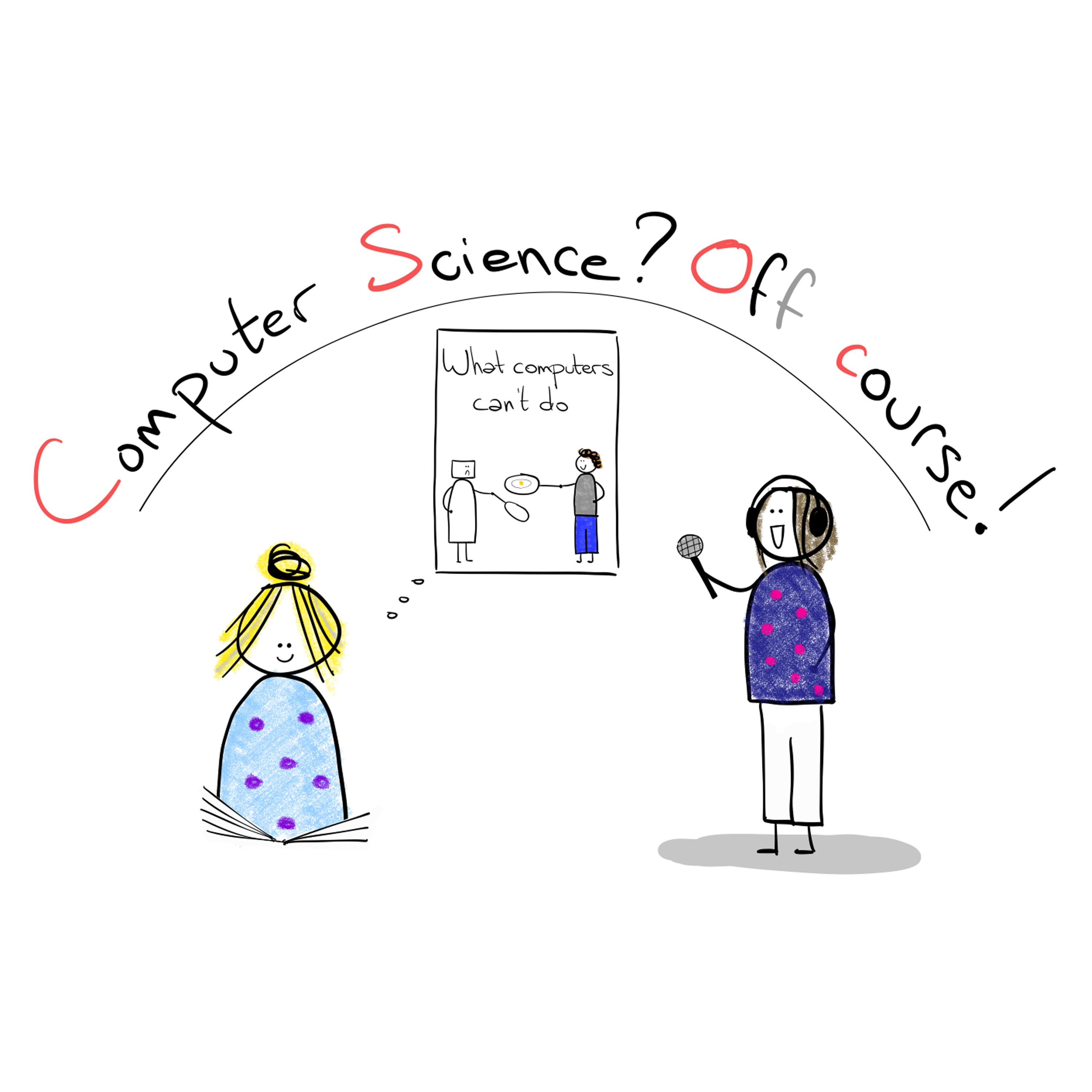
Hubert Dreyfus - What Computers Can't Do
Is there something you wish computers could do but somehow, despite all the hype around AI, they still can't do it? In this episode, we discuss Hubert Dreyfus' book "What Computers Can't Do" (1972) and its updated revision, "What Computers Still Can't Do" (1992), both from historical and current AI perspectives. Our topics range from the limits of formalizing knowledge and fringe consciousness to
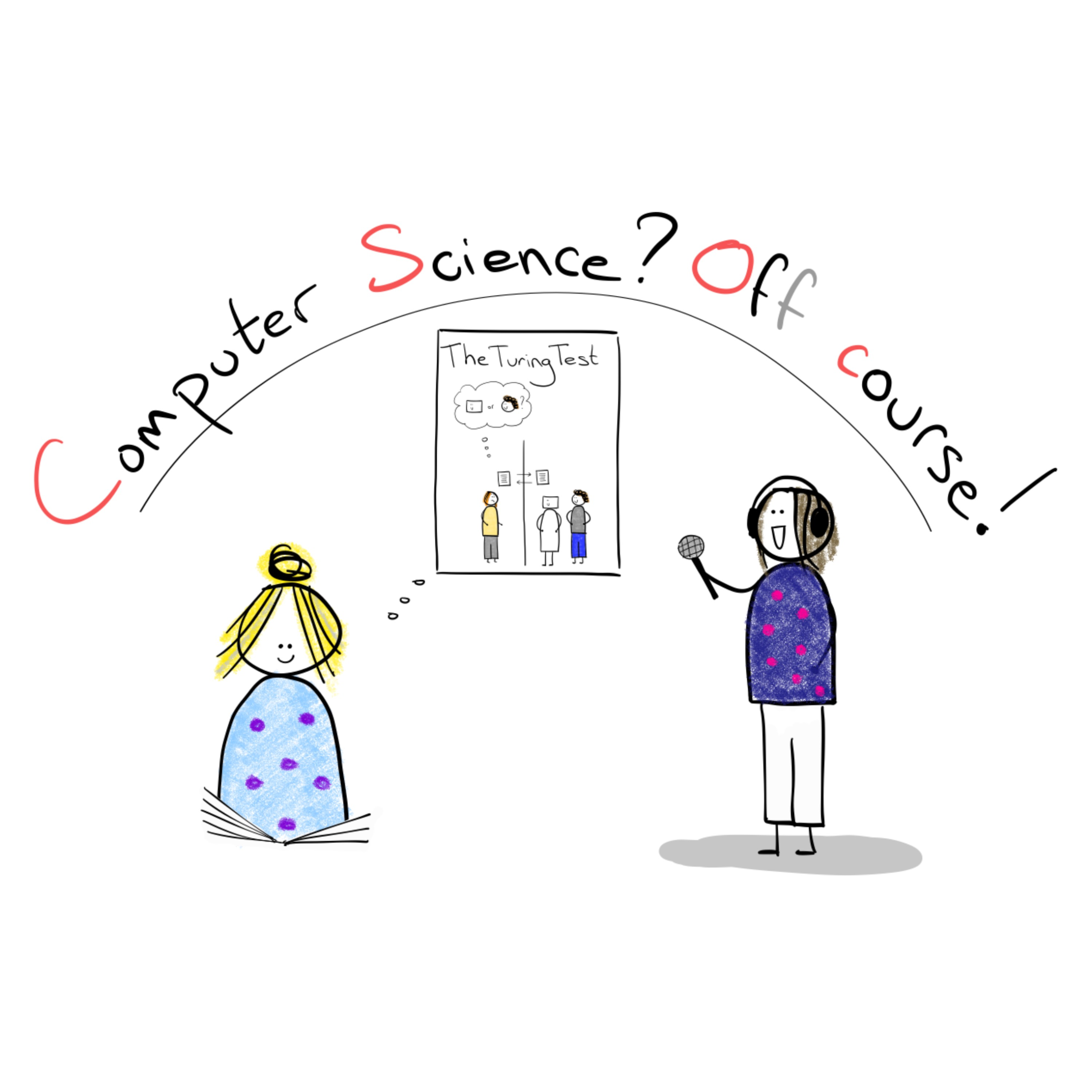
Alan Turing - Computing Machinery and Intelligence
Has this text been written by an AI or by us, Felienne and Hanna? It's the latter! Why does this matter? This week, we discuss what it means when you can no longer tell human and machine output apart. For the first time, we discuss a paper we are not exactly ecstatic about. Namely, Alan Turing's 1950 paper, "Computing Machinery and Intelligence," which introduced the famous Turing Test. Felienne h
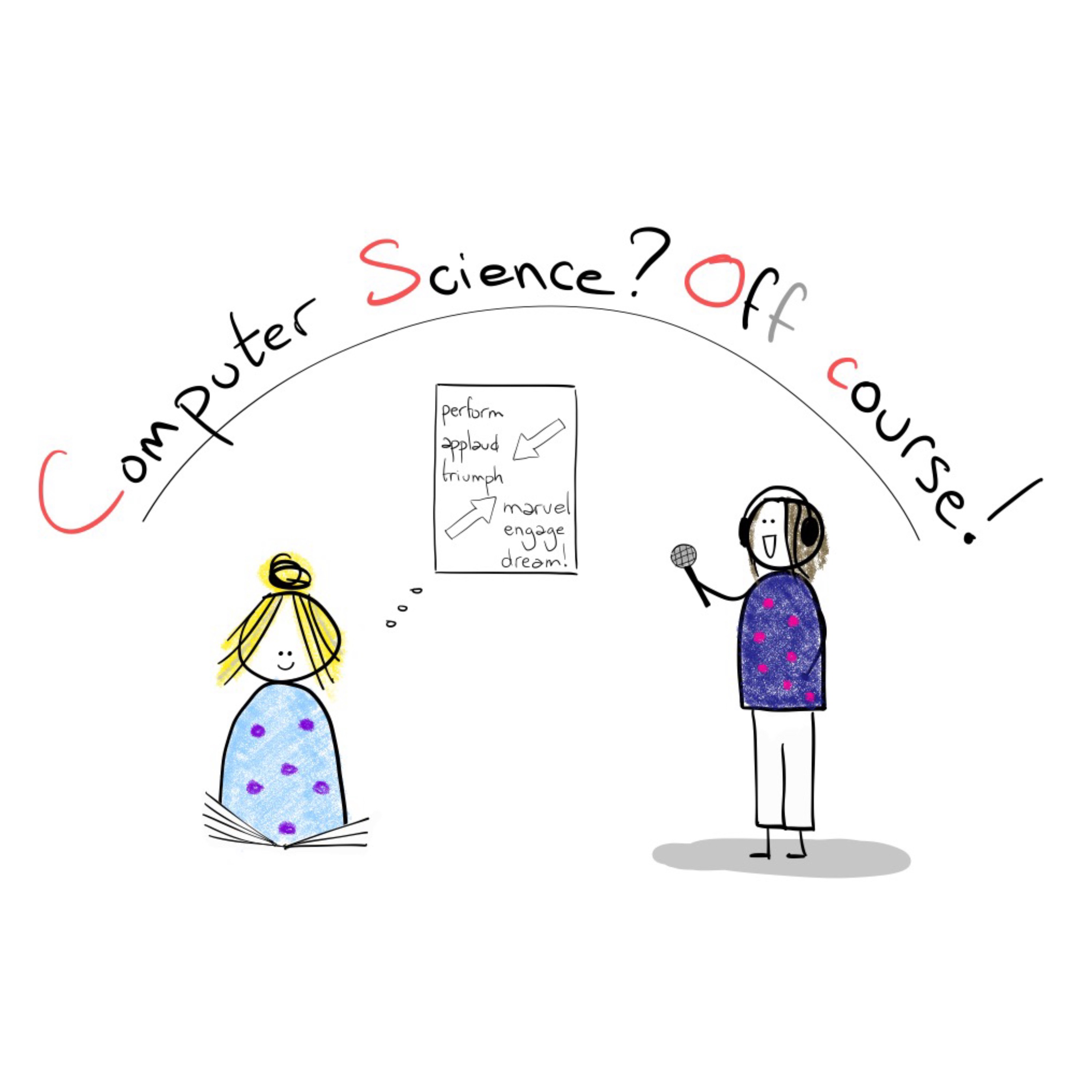
Brenda Laurel - Computers as Theatre
Are you playing a role when using a computer? We certainly are! In this episode, we connect the worlds of theatre and computers. We discuss Brenda Laurel's book "Computers as Theatre” (1991). Per usual, Felienne has read the book. And as it turns out, it gave her a new way to look at the world. Human-computer interfaces provide a stage for performances! Just like last week, Hanna is asking questi
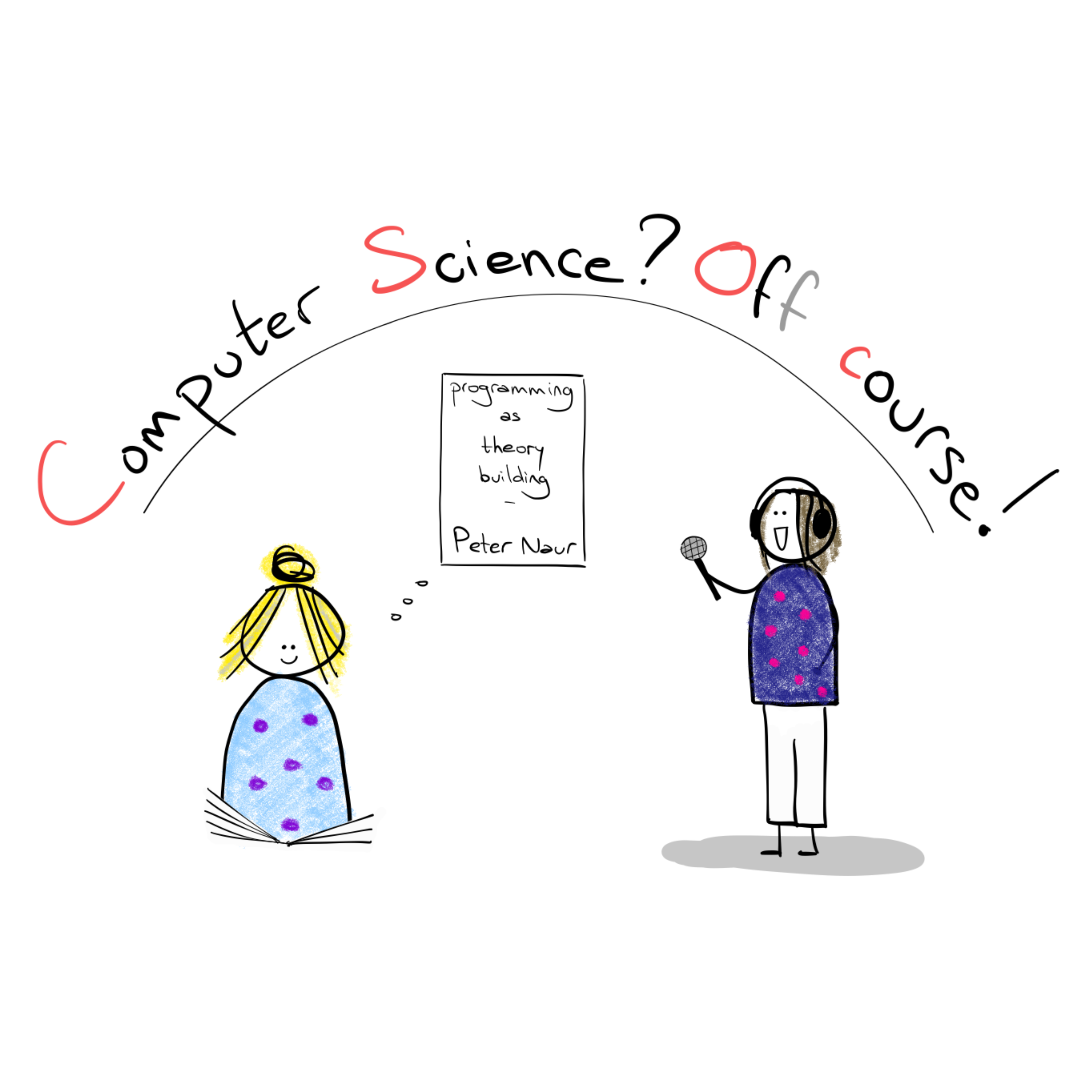
Peter Naur - Programming as Theory Building
What is programming? This week, we take a stab at this fundamental question with Peter Naur's paper "Programming as Theory Building". Felienne has read the paper (more than once), and Hanna is asking her questions about it. Apparently, programming is more than just solving problems by writing code and involves theory building! Listen in to hear more about what this theory building entails (spoiler
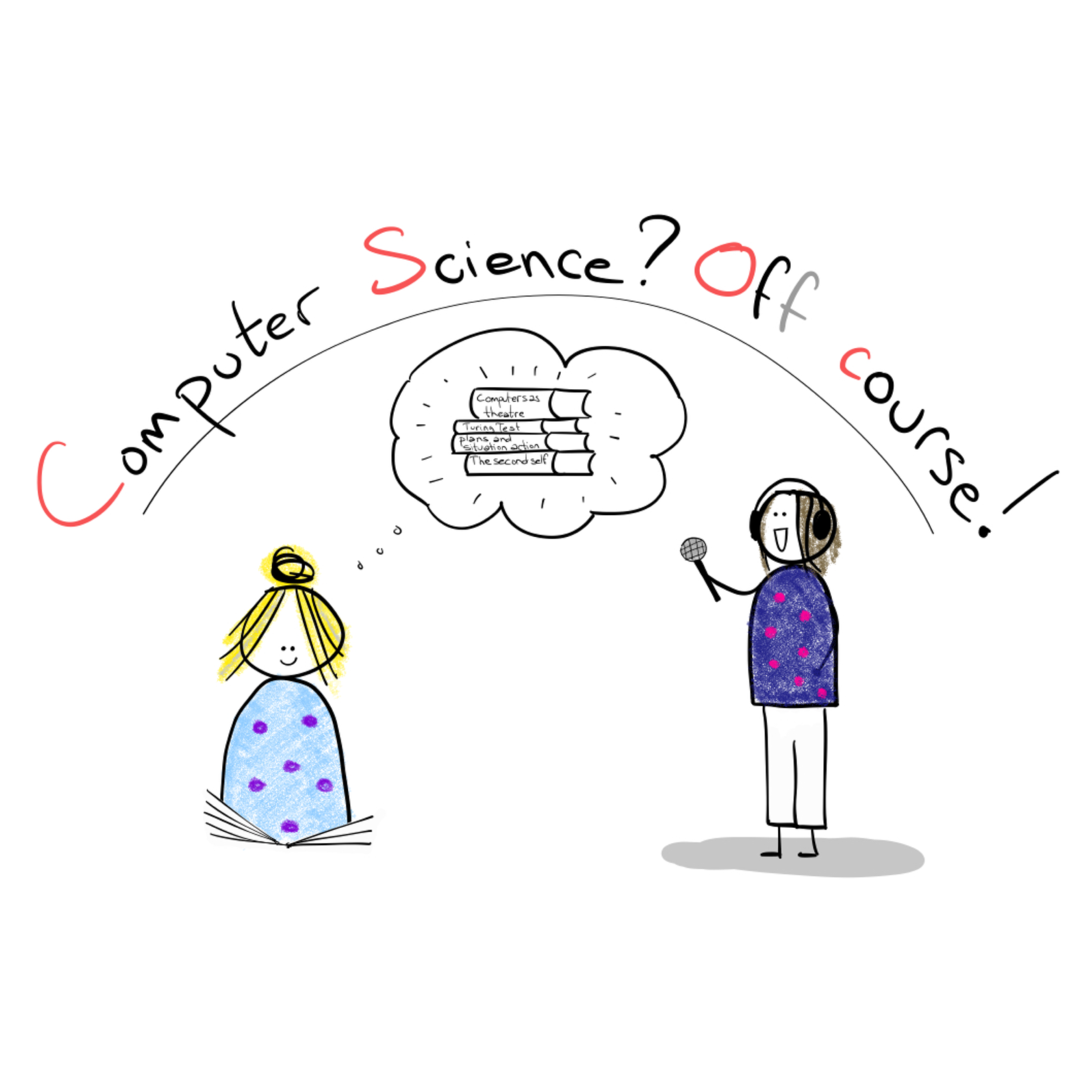
Everything you did not want to know about computer science! (Just teasing)
Our teaser episode for the Computer Science Off Course podcast! We bring you one paper or book each week to widen your view on what Computer Science is, and what it could be.Turing, Naur, Dreyfus, Laurel, and many more will bring some much-needed change in perspective for people who grew up on an information diet of only complex algorithms, programming, and math!Read along with us (Felienne and Ha