Scaling Theory
Scaling Theory explores the power laws that drive growth in companies, technologies, legal systems, and living systems. Host Dr. Thibault Schrepel, who holds a PhD in antitrust law, examines the regulation of digital ecosystems through the lens of complexity theory. Produced by the Network Law Review, the podcast features scholarly discussions with select guests and deep dives into academic literature.
Afleveringen

John H. Cochrane on Empty Skies
John H. Cochrane is the Rose-Marie and Jack Anderson Senior Fellow at the Hoover Institution. He spent thirty years as a professor of finance at the University of Chicago Booth School of Business. He writes The Grumpy Economist (over 34,000 subscribers).Cochrane is a pilot, and the empty skies are his example of what permission costs when it compounds for fifty years.We cover three things. Why com
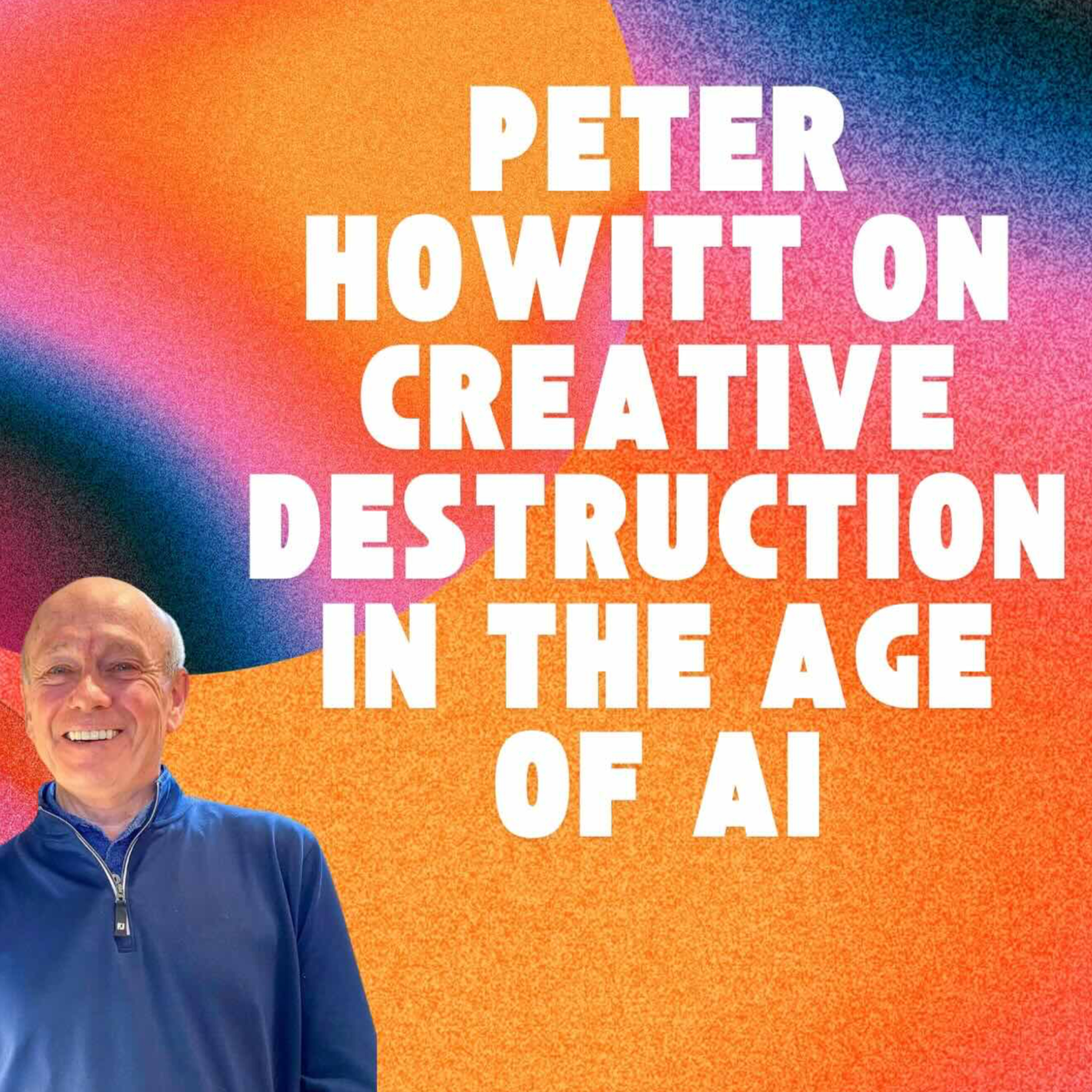
Peter Howitt on Creative Destruction in the Age of AI
Peter Howitt won the 2025 Nobel Prize in Economic Sciences. The award was for the theory of sustained growth through creative destruction. He and Philippe Aghion gave that theory a mathematical form in 1992.Competition and innovation do not move together in a straight line. What decides the direction is where a firm sits relative to the technological frontier. Peter also draws the line between a m
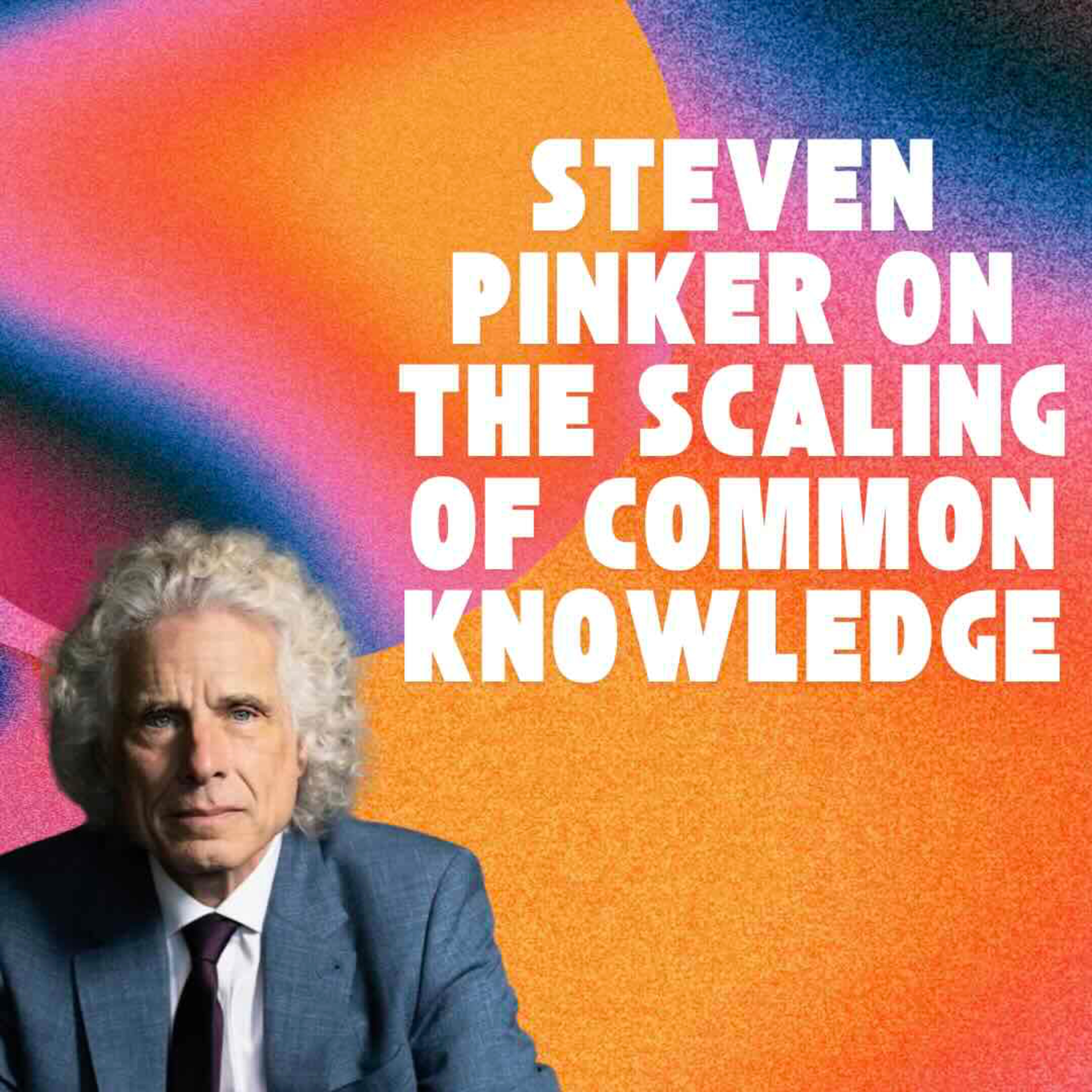
Steven Pinker on Common Knowledge, From Eye Contact to the Super Bowl
Some things change the world not because they are new, but because everyone learns them at once. That is the difference between mutual knowledge, where each of us knows something, and common knowledge, where each of us knows that the other knows, without end. It is the hidden machinery behind money, language, authority, and revolution.Steven Pinker, professor of psychology at Harvard, joins Scalin
#30 – Matthew O. Jackson on How Networks Quietly Shape What You Believe
Welcome back to Scaling Theory. In this episode, I speak with Matthew O. Jackson, the William D. Eberle Professor of Economics at Stanford University and an external faculty member at the Santa Fe Institute. Matthew is one of the founders of the modern economics of networks and the author of The Human Network and Social and Economic Networks.We talk about the friendship paradox, why homophily slow
#29 – Albert-Laszlo Barabasi: The Hidden Order of Networks
Welcome back to Scaling Theory. My guest today is Albert-László Barabási, Professor of Network Science at Northeastern University and one of the most cited scientists alive with over 320 000 citations. His books include Linked, The Formula, and Network Science.In 1999, Albert-László Barabási published a paper that changed how we understand networks. The finding was this: real-world networks are no
#28 – Scott Page: Why Diversity Beats Genius
Welcome back to scaling theory. My guest today is Scott E. Page, Distinguished University Professor of Complexity, Social Science, and Management at the University of Michigan, and an external faculty member at the Santa Fe Institute. He is an elected member of the National Academy of Sciences and the American Academy of Arts and Sciences, and a recipient of the Guggenheim Fellowship. His books
#27 – Cass Sunstein: On Scaling Liberalism
My guest today is Cass R. Sunstein, University Professor at Harvard and one of the most influential legal and political thinkers of our time. A prolific author of dozens of books and hundreds of academic articles, Cass has shaped debates in constitutional law, administrative law, behavioral economics, and public policy. He is regularly ranked amongst the very top of the most cited legal scholars a
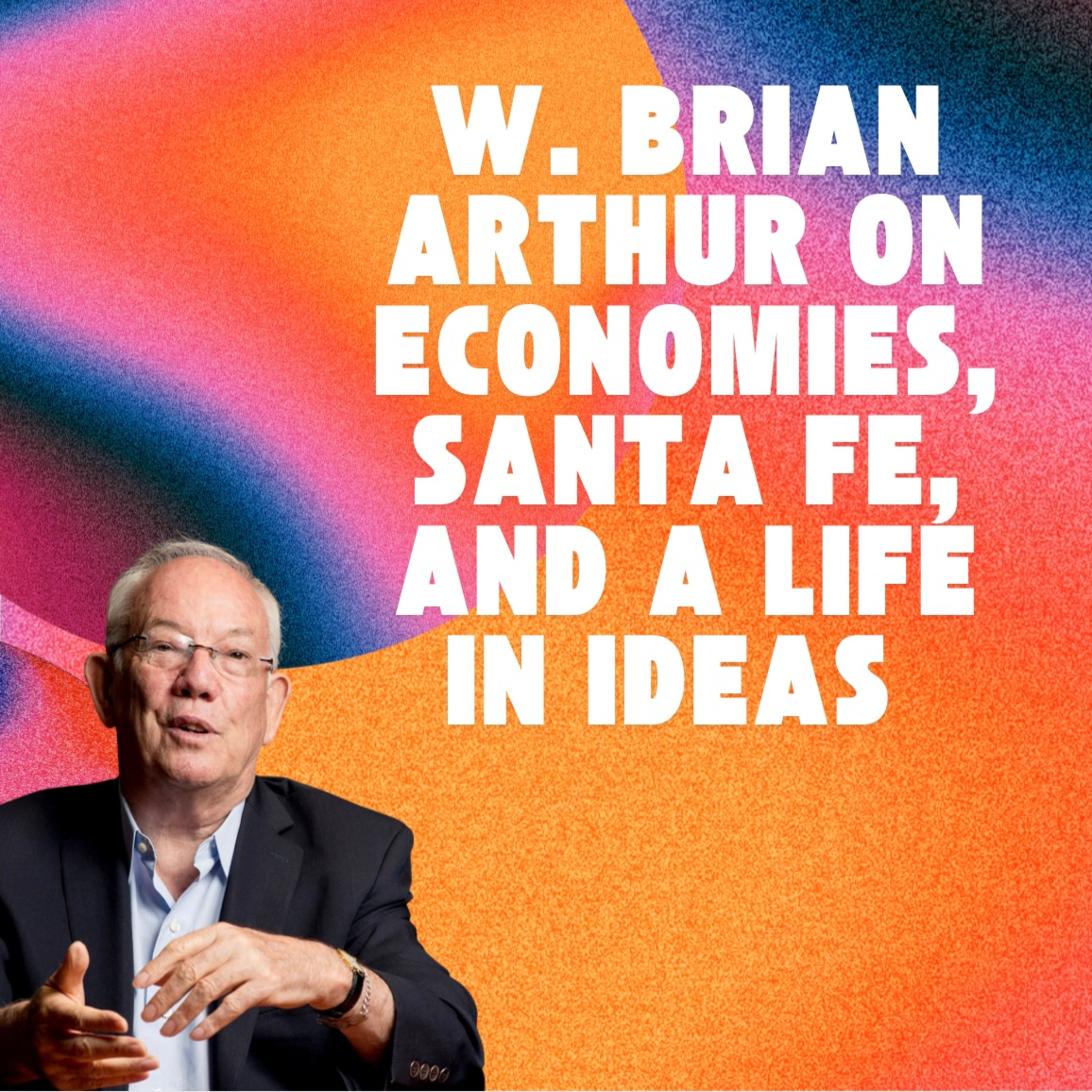
#26 – W. Brian Arthur: On Economies, Santa Fe, and a Life in Ideas
In the very first episode of Scaling Theory, I mentioned a few scientists who have shaped my understanding of the world. At the very top of that list is today’s guest: W. Brian Arthur.Brian was born and raised in Belfast, Northern Ireland, and went on to become one of the most important figures of complexity science. Today, he is widely known as the father of complexity economics, a field that has
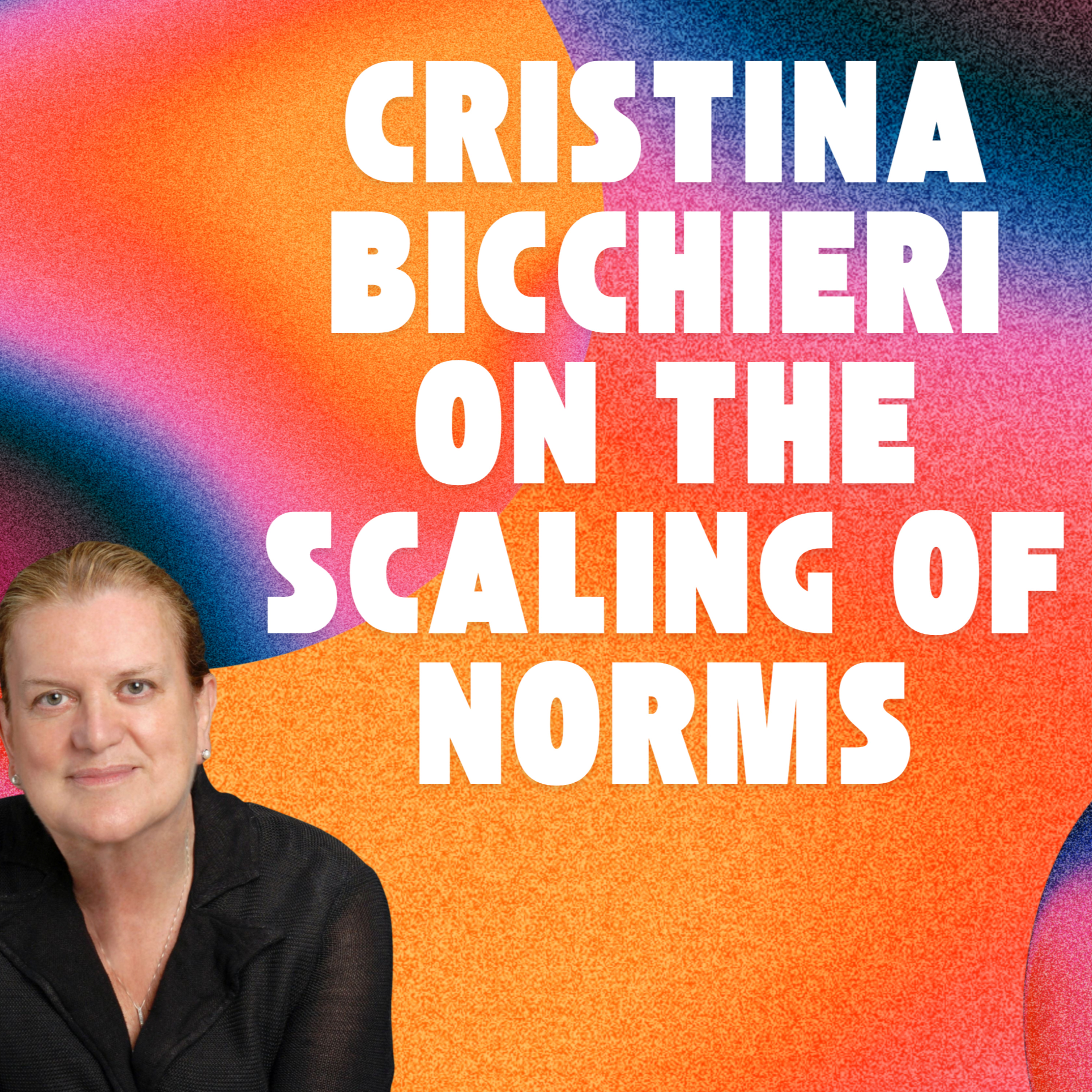
#25 – Cristina Bicchieri: The Scaling of Norms
Welcome back to Scaling Theory. My guest today is Cristina Bicchieri, Professor of Social Thought and Comparative Ethics at the University of Pennsylvania, Director of the Center for Social Norms and Behavioral Dynamics, and one of the most influential scholars working on norm formation and collective behaviour. Her work is widely cited and, as we will talk about, has led to many field experiments
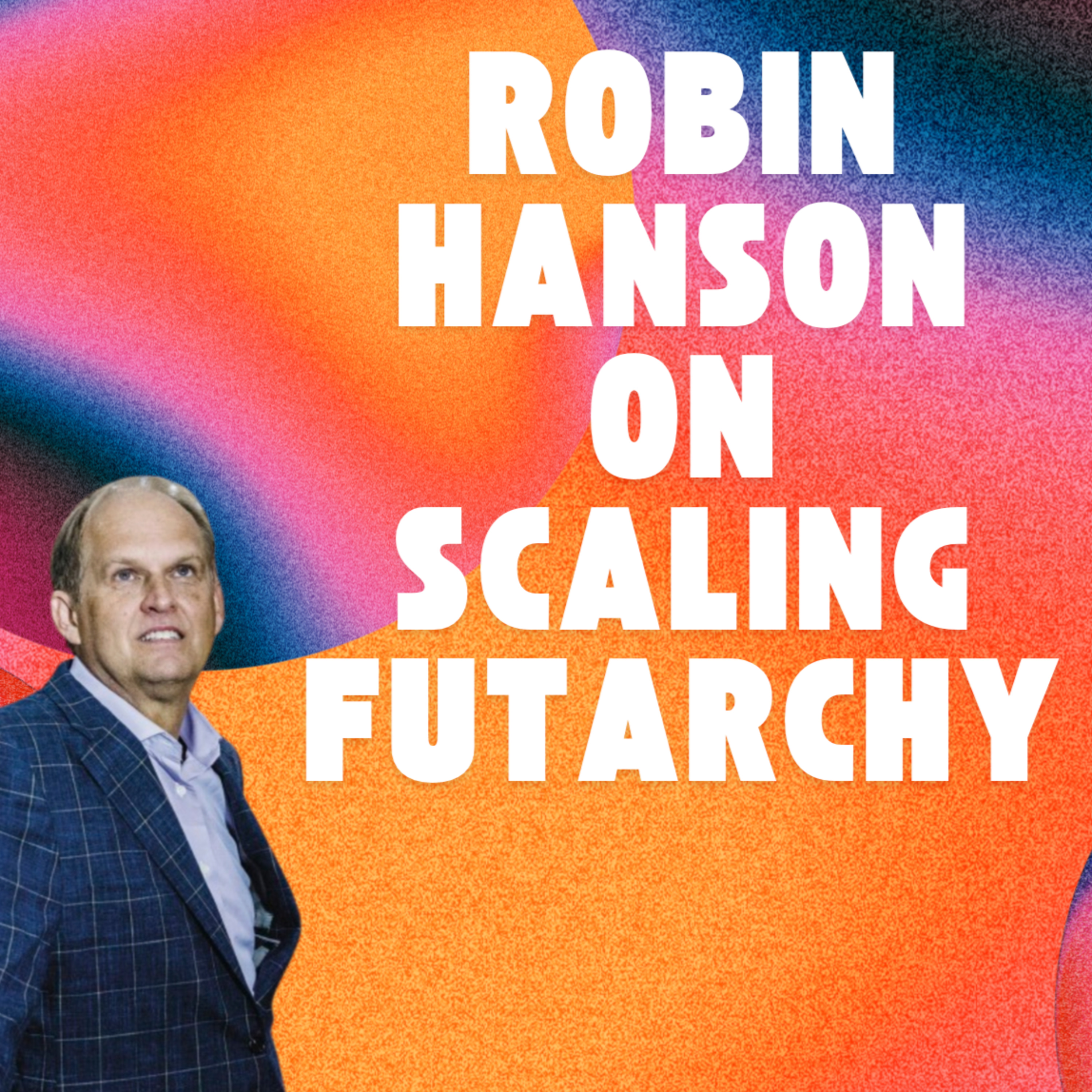
#24 – Robin Hanson: The Scaling of Futarchy
Welcome back to Scaling Theory. My guest today is Robin Hanson, Associate Professor of economics at George Mason University. Robin has long been one of the most original thinkers on institutional design, collective intelligence, as explored in his books The Age of Em and The Elephant in the Brain. Across his career, he has pushed the boundaries of how societies can aggregate knowledge and make col
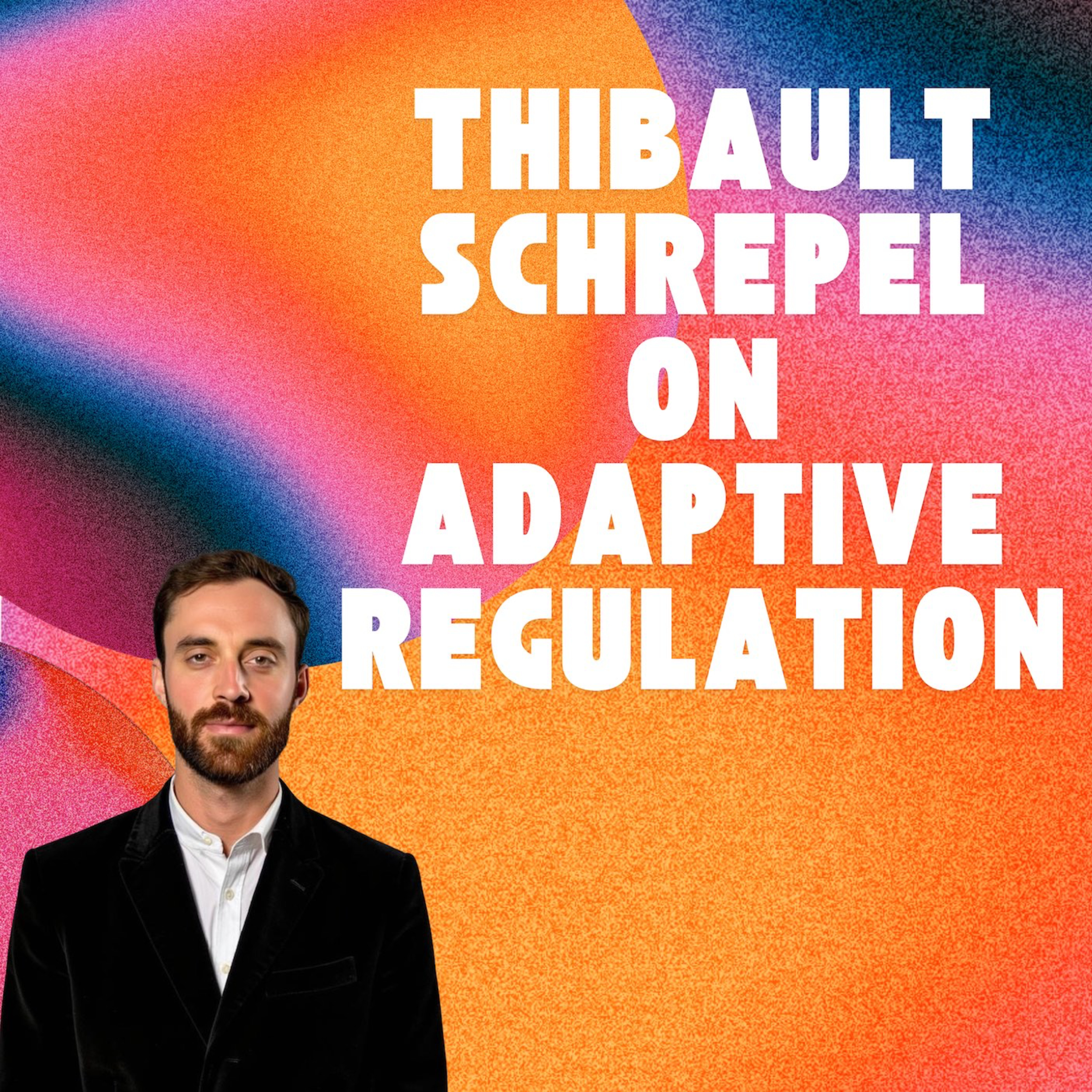
#23 – Thibault Schrepel: Adaptive Regulation
This is the first solo episode of Scaling Theory, where I take a deep dive into the literature. Building on a working paper titled “Adaptive Regulation,” I explore why “future-proof” laws so often fail in the face of rapid technological change, and how complexity science can guide us toward rules that adapt to the things they regulate. Drawing on recent EU digital acts and voices from law, economi
#22 – Vint Cerf: How Internet Scaled
My guest today is Vinton G. Cerf, widely regarded as a “father of the Internet.” In the 1970s, Vint co-developed the TCP/IP protocols that define how data is formatted, transmitted, and received across devices. In essence, his work enabled networks to communicate, thus laying the foundation for the Internet as a unified global system. He has received honorary degrees and awards that include the Na
#21 – Melanie Moses: From Cells to Algorithms
My guest today is Melanie Moses, a Professor of Computer Science at the University of New Mexico, an External Faculty at the Santa Fe Institute, and Chair of the New Mexico AI Consortium. Melanie's work spans a wide range of disciplines all unified by her deep understanding of complexity theory.In our conversation, Melanie and I explore how scaling theory reveals surprising patterns across nat
#20 – Melanie Mitchell: The Science of Artificial Thinking
My guest today is Melanie Mitchell, a Professor at the Santa Fe Institute, author of "Complexity: A Guided Tour" and "Artificial Intelligence: A Guide for Thinking Humans." Melanie studied under the legendary John Holland and has become one of the leading voices bridging complexity science with research in artificial intelligence.In our conversation, Melanie and I explore the f
#19 – Paul Seabright: How to Scale a Religion
Welcome back to Scaling Theory. Today, we are taking on a surprising but deeply relevant topic: religion. We are not entering the realm of theology, but rather looking at religion the way an economist might look at a multinational corporation or a digital platform. Think of it this way: in the U.S. alone, faith-based organizations generate more annual revenue than Apple and Microsoft combined. So
#18 – James Evans: Science in the Age of AI
Today’s episode is different from all the previous ones, as for the first time on Scaling Theory, we focus on research methodology, exploring how AI is reshaping the very process of doing research and what that shift means for science and society at large.I sat down with James Evans, Professor of Sociology, Computational and Data Science at the University of Chicago, External Professor at the Sant

#17 – Eric von Hippel: Freeing Innovation
My guest today is Eric von Hippel, Professor of Technological Innovation at the MIT Sloan School of Management. Eric is the author of numerous academic articles and books, including Free Innovation, Democratizing Innovation, and The Sources of Innovation, all published by MIT Press and available for free. Eric has accumulated over 90,000 citations on Google Scholar and has received many awards, in
#16 – David Krakauer: Scaling Intelligence
David Krakauer is an American evolutionary biologist. He is the President and William H. Miller Professor of Complex Systems at the Santa Fe Institute. As you will hear in today’s episode, David's research centers around a series of fundamental questions, such as: How did life and intelligence evolve in the universe? How do ideas evolve and how do they encode natural and cultural life?In this
#15 – Larry Lessig: Code, Law, and Business Models in the Age of AI
My guest today is Larry Lessig, Professor of Law and Leadership at Harvard Law School. Larry is the author of numerous influential books and articles, including Code 2.0 (2006), which we discuss at length in this episode. If you have been listening to Scaling Theory since the very beginning, you probably remember that I cited a couple of books that changed my perception of everything in the first
#14 – Eric Beinhocker: “New Economics” Is Coming For You
My guest today is Eric Beinhocker, Professor of Practice in Public Policy at the Blavatnik School of Government, University of Oxford, and the founder and Executive Director of the Institute for New Economic Thinking at the University’s Oxford Martin School. Eric is the author of numerous academic articles and books, including The Origin of Wealth: Evolution, Complexity, and the Radical Remaking o
#13 – Kevin Kelly: How Technology Evolves, And What To Do About It
My guest today is Kevin Kelly, the author of 14 books, a public speaker who has delivered TED talks with tens of millions of views, and a technology expert. In 1983, Kevin was hired by Whole Earth founder Stewart Brand to edit several later editions of the Whole Earth Catalog, the Whole Earth Review, and Signal. He later on served as the founding executive editor of the magazine Wired.
In our conv

#12 – Rory Linkletter: Scaling Up to the Olympics
My guest today is Rory Linkletter, a professional athlete who recently ran the Paris Olympic Marathon and the New York Marathon. Rory’s current personal best in the marathon is an impressive 2:08:01, which makes him the top Canadian marathon runner and the third-best Canadian performance ever.
This episode, as you might guess, is different from the others. I wanted to talk to Rory because he inspi
#11 – Stefan Thurner: The Scaling of Everything
My guest is Stefan Thurner, A Professor of theoretical physics, and the President of the Complexity Science Hub in Vienna. Stefan has published over 240 scientific articles and he was elected Austrian Scientist of the Year 2017. He is also an external professor at the Santa Fe Institute.
In our conversation, we first delve into the scaling laws of everything. We explore social, financial, biologic
#10 – Allison Stanger: Political Science Behind Large Tech Companies
My guest today is Allison Stanger. Allison is a Middlebury Distinguished Endowed Professor; an Affiliate at the Berkman Klein Center for Internet and Society, Harvard University; the Co-Director (with Danielle Allen) of the GETTING-Plurality Research Network, Harvard University; founding member of the Digital Humanism Initiative (Vienna); and an External Professor at the Santa Fe Institute. Allis
#9 – Arvind Narayanan: Myths and Policies in Scaling AI
My guest is Arvind Narayanan, a Professor of Computer Science at Princeton University, and the director of the Center for Information Technology Policy, also at Princeton. Arvind is renowned for his work on the societal impacts of digital technologies, including his textbook on fairness and machine learning, his online course on cryptocurrencies, his research on data de-anonymization, dark pattern

#8 – Sara Hooker: Big AI, The Compute Frenzy, and Grumpy Models
My guest today is Sara Hooker, VP of Research at Cohere, where she leads Cohere for AI, a non-profit research lab that seeks to solve complex machine learning problems with researchers from over 100 countries. Sara is the author of numerous research papers, some of which focus specifically on scaling theory in AI. She has been listed as one of AI’s top 13 innovators by Fortune.
In our conversat

#7 – Michael Mauboussin: The Fascinating World of Increasing Returns
My guest today is Michael Mauboussin (@mjmauboussin), one of the world’s leading experts in finance. Michael serves as Head of Consilient Research at Counterpoint Global, Morgan Stanley. He has authored three books and regularly appears in the Wall Street Journal, Financial Times, New York Times, and other publications. Since 1993, Michael has been an adjunct professor of finance at Columbia Busin
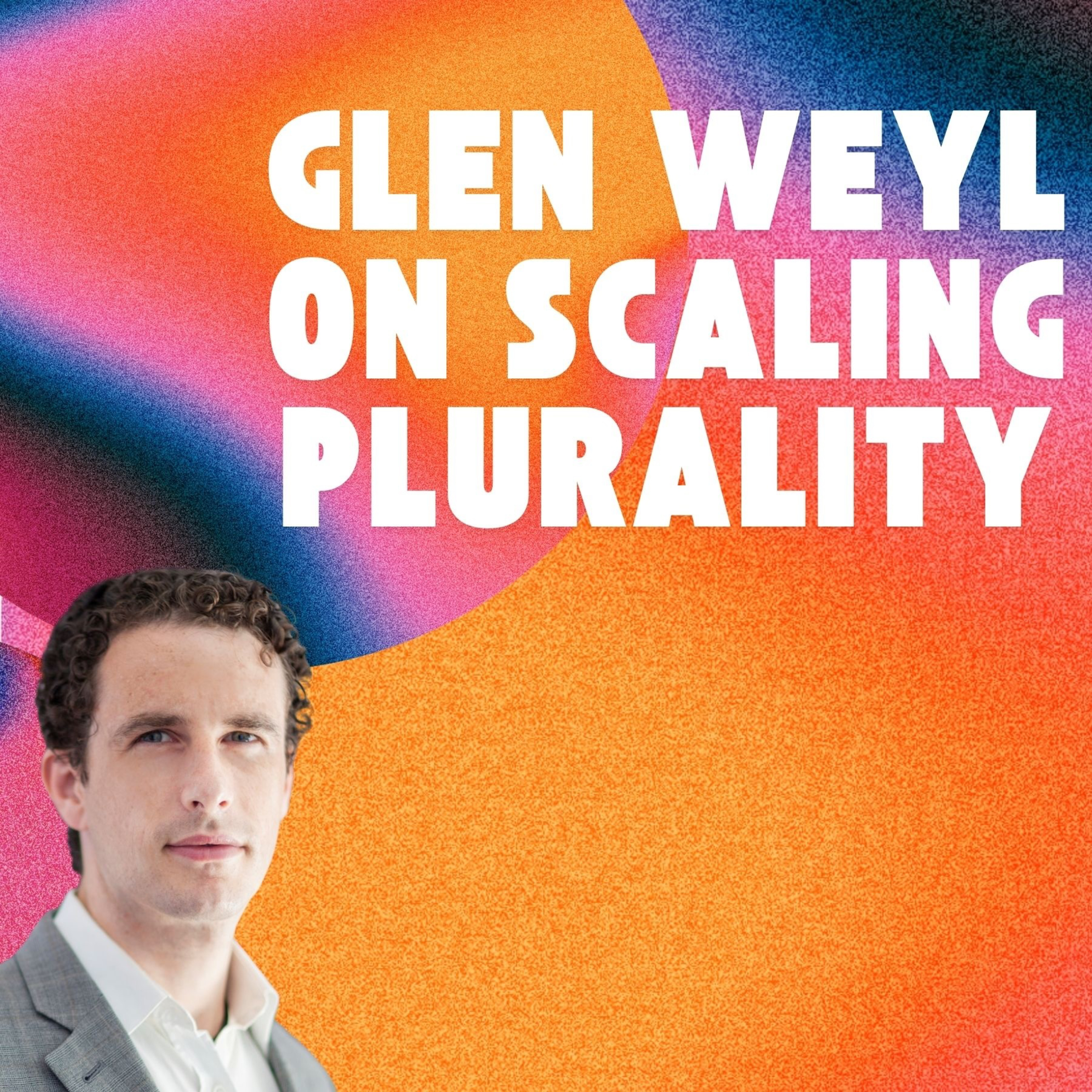
#6 – Glen Weyl: Scaling Plurality
My guest is Glen Weyl, an influential economist and social technologist known for his interdisciplinary work at the intersection of economics, computer science, sociology, and political science. He is a Principal Researcher at Microsoft Research, a co-author of the books “Radical Markets” and the recently published “Plurality: The Future of Collaborative Technology and Democracy” which he co-autho
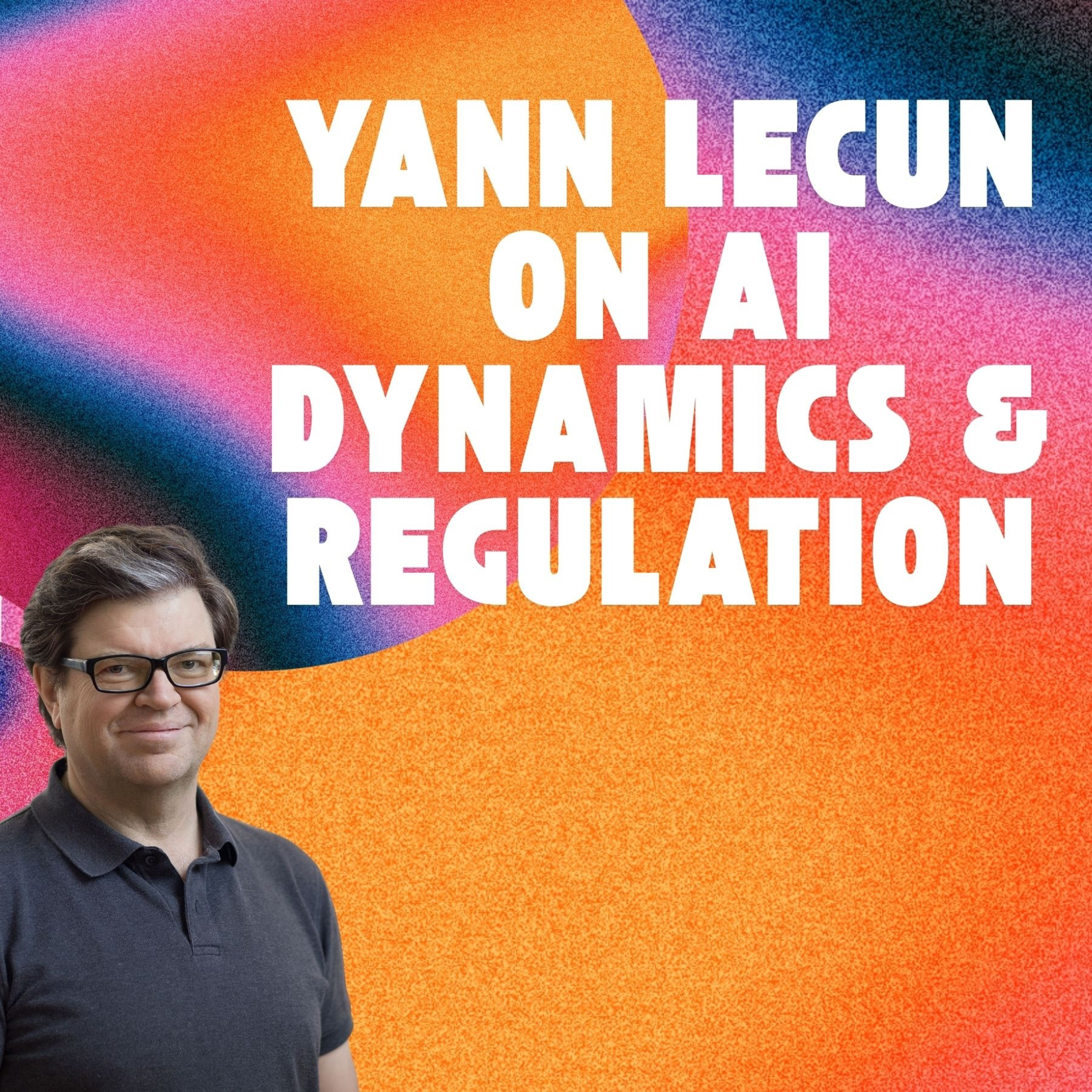
#5 – Yann LeCun: AI Dynamics and Regulation
My guest is Yann LeCun, a pioneering French-American computer scientist, known for his groundbreaking work in machine learning, computer vision, and neural networks. Yann is the Silver Professor at the Courant Institute of Mathematical Sciences at New York University and serves as the Vice President and Chief AI Scientist at Meta.
Yann is one of the world’s most influential computer scientists. He
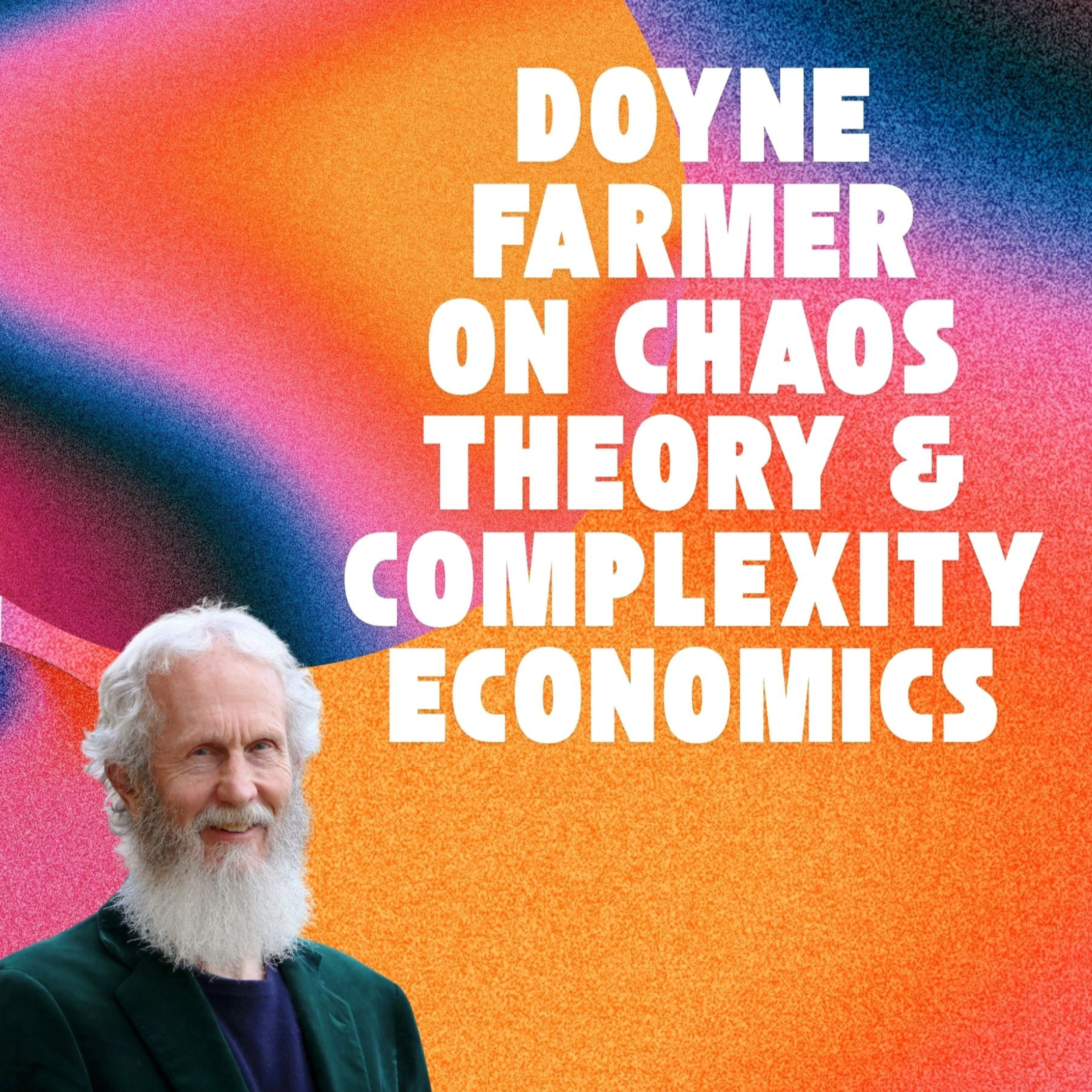
#4 – Doyne Farmer: Chaos Theory & Complexity Economics
J. Doyne Farmer is the Director of the Complexity Economics programme at the Institute for New Economic Thinking at the Oxford Martin School, a Professor at the Mathematical Institute of Oxford University, and an External Professor at the Santa Fe Institute.
In this episode, we explore Doyne’s latest book, “Making Sense of Chaos.” We focus on the relationship between chaos and scaling theory, and
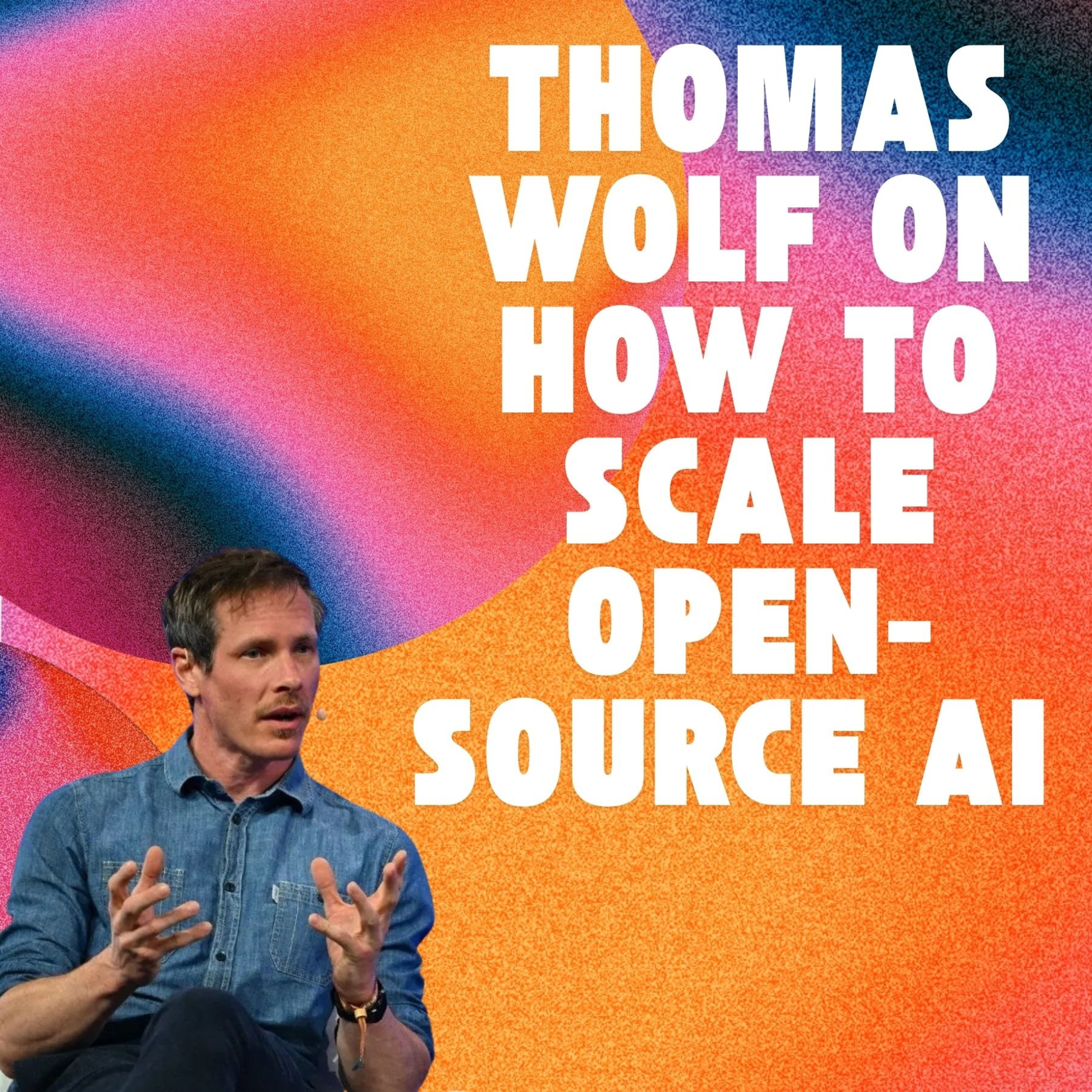
#3 – Thomas Wolf: Open-Source AI Scaling Laws
Thomas Wolf is the co-founder and Chief Science Officer of Hugging Face, the company at the center of the open-source AI ecosystem. He has a Ph.D. in statistical & quantum physics.
In this episode, we explore why open-source (“OS”) AI may be preferable to closed-source, whether OS has a real chance to take over the space, the challenges OS developers must overcome to scale their foundational
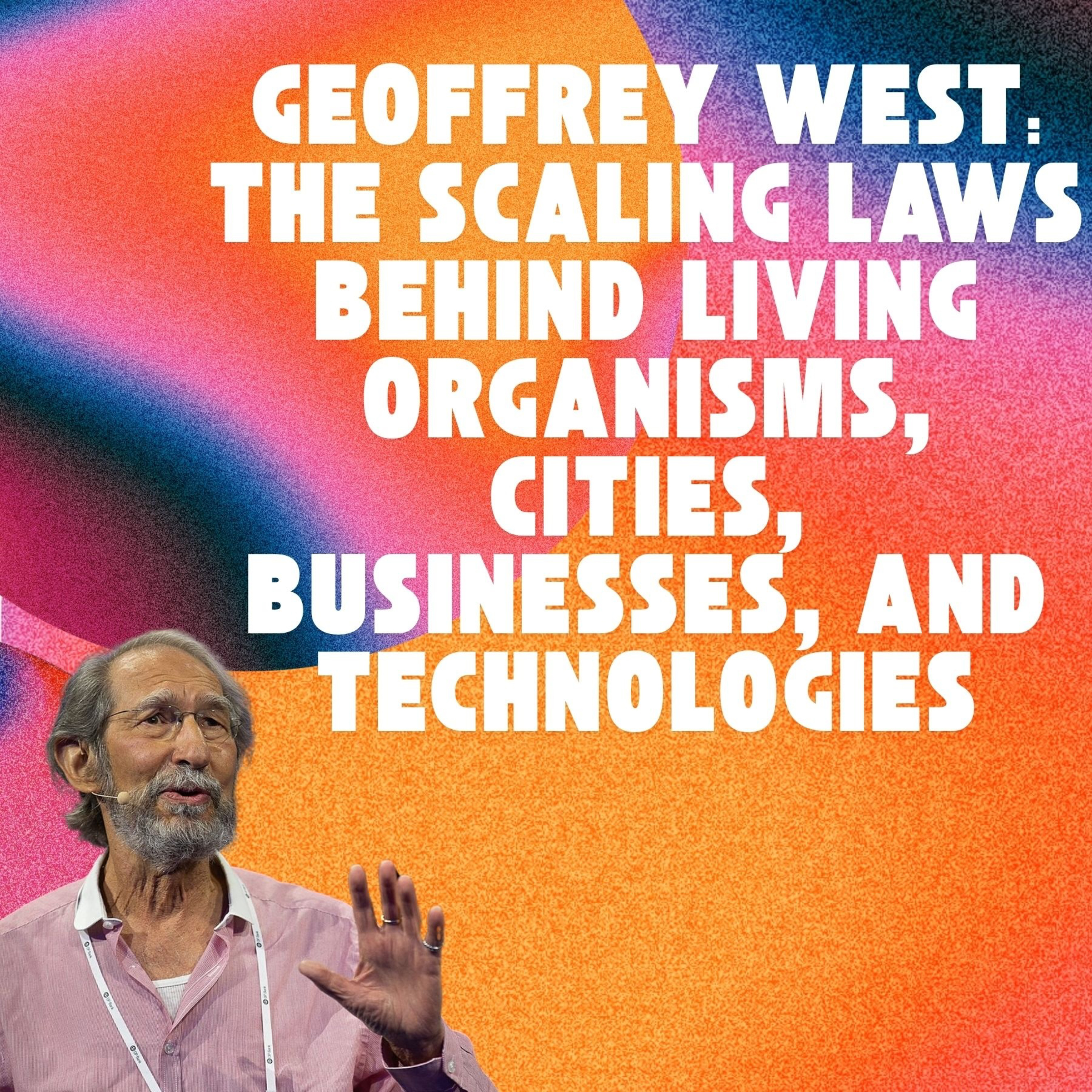
#2 – Geoffrey West: The Scaling Laws Behind Living Organisms, Cities, Businesses, and Technologies
Geoffrey West is a physicist, former president and distinguished professor of the Santa Fe Institute. His book, “Scale: The Universal Laws of Life, Growth, and Death in Organisms, Cities, and Businesses” (2017), is a masterpiece.
In this episode, we talk about the power laws behind living organisms, cities, businesses, and technologies. By the end of this episode, you will know more about the pow
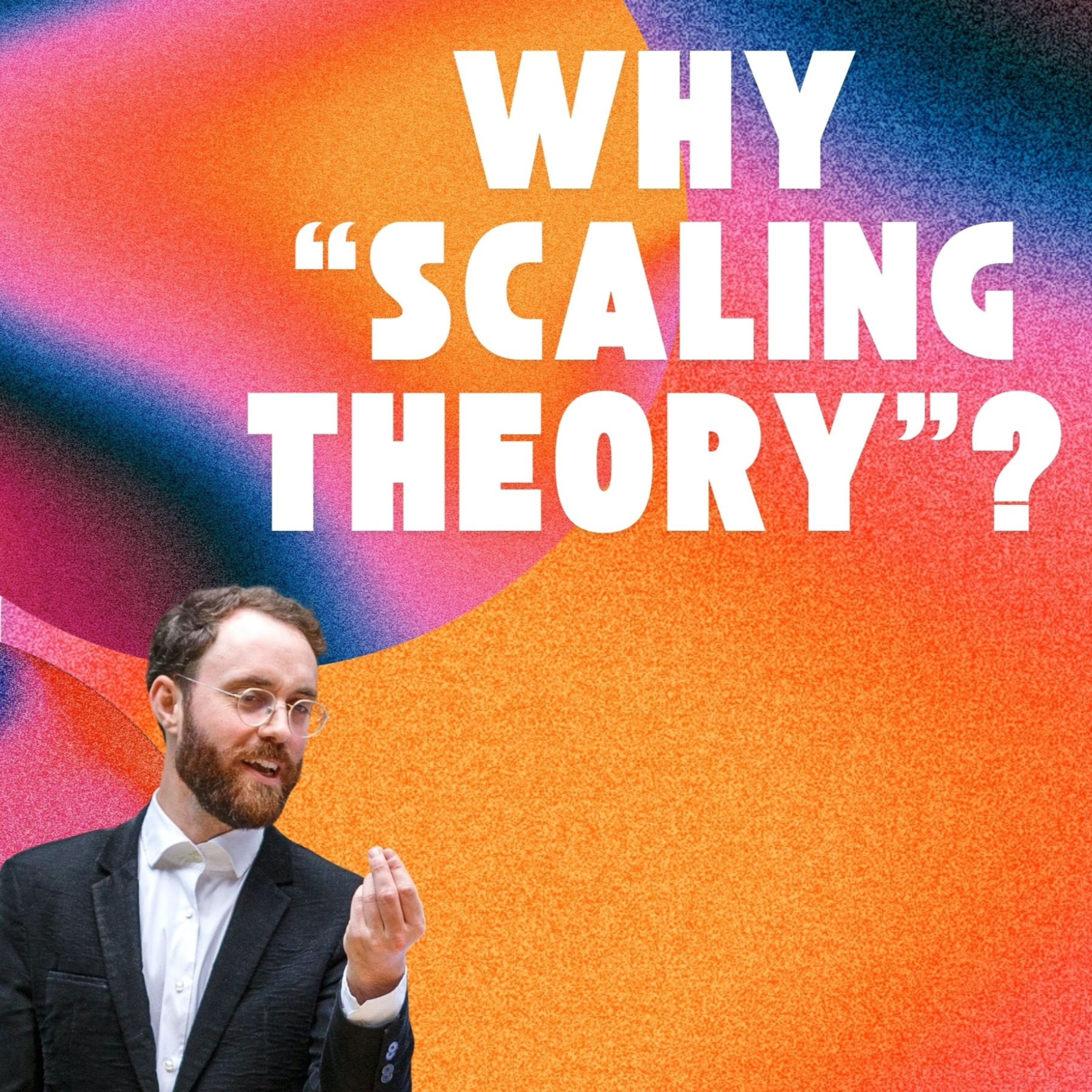
Why “Scaling Theory”
In this first episode, Dr. Thibault Schrepel (@ProfSchrepel) introduces “Scaling Theory”, a podcast dedicated to the power laws behind the growth of companies, technologies, legal and living systems.
***
References:
➝ Charles Darwin, On the Origin of Species (1859)
➝ Melanie Mitchell, Complexity: A Guided Tour (2011)
➝ Mitchell Waldrop, Complexity The Emerging Science at the Edge of Order and C